

Wrap It Up: Taping Techniques for a Happy Achilles
Why Your Achilles Needs the Right Support
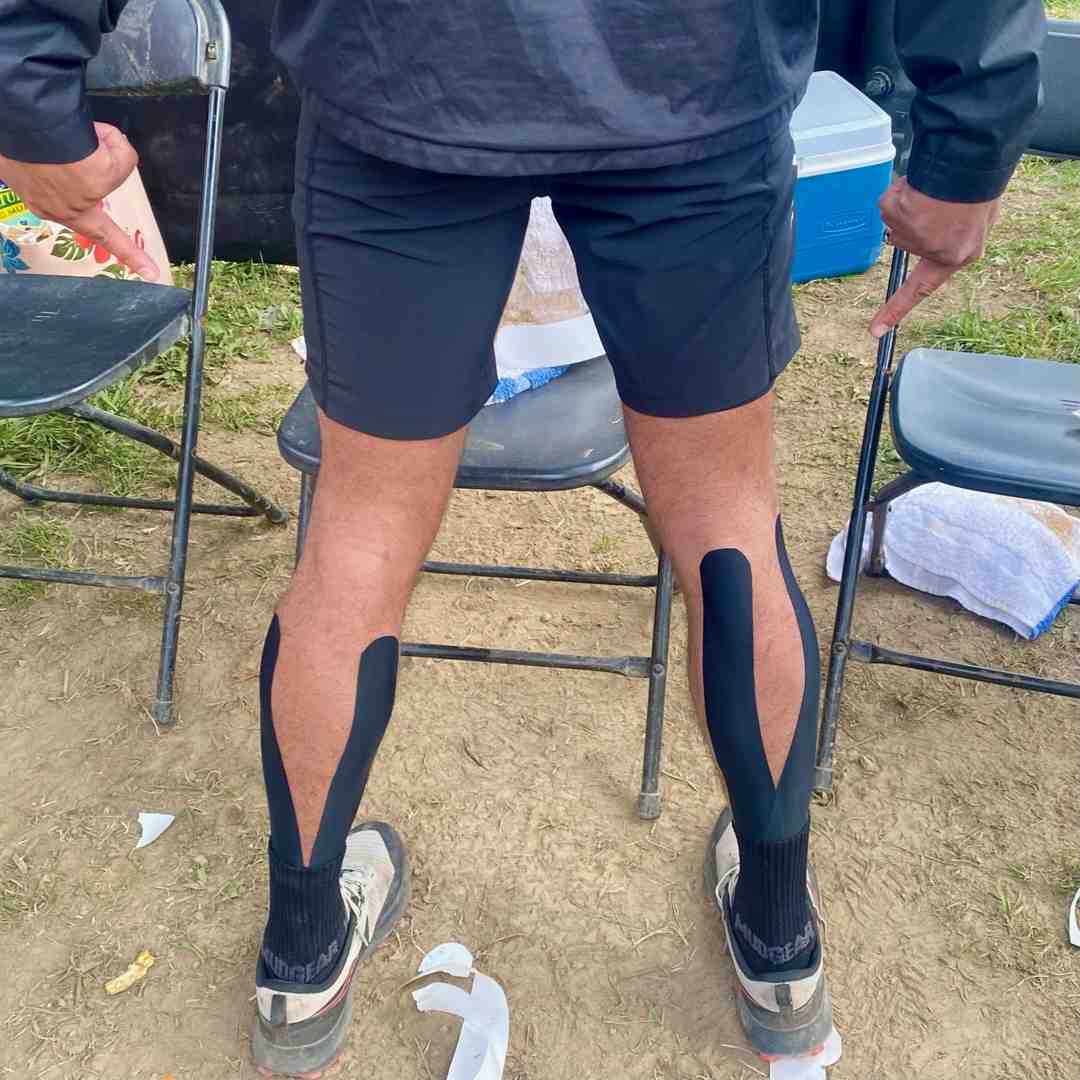
Achilles tendon taping is a proven technique to reduce pain, provide support, and protect your tendon during activity. Whether you're dealing with tendonitis, returning from an injury, or preventing future problems, taping can make a real difference.
Quick Answer: Achilles Tendon Taping Essentials
- Purpose: Reduces stress on the tendon, limits harmful movement, and increases circulation to aid healing.
- Two Main Methods: Athletic tape (rigid support, restricts motion) or Kinesiology tape (flexible, lifts skin, allows movement and full range of motion).
- Wear Time: Athletic tape lasts up to 3 days; kinesiology tape up to 5 days.
- Best For: Achilles tendonitis, minor strains, pain during activity, injury prevention.
- Avoid If: You have open wounds, severe tears, circulation problems, or allergic reactions to tape.
Your Achilles tendon, the largest in your body, connects your calf muscles to your heel bone. It endures significant stress during running, jumping, and even walking. Overuse—from sudden increases in activity, tight calf muscles, or improper footwear—can lead to pain, inflammation, and micro-tears.
Taping over and around (in support of) the Achilles tendon, when done properly, can apply supportive alignment and help gate unwanted movement, reducing the load on the tendon when it is recovering or sensitive. Research shows that proper taping can decrease forces on the Achilles, giving it time to heal while you stay active. Sports taping techniques provides maximum restriction like a brace, while kinesiology tapes allow range of motion while lifting the skin to boost blood flow and healing.
I'm Josh Key, and at SHIELD Health & Fitness, I've helped countless athletes use proper Achilles taping for performance and recovery, demonstrating how the right approach keeps you moving safely.
Understanding Achilles Pain and the Role of Taping
Achilles tendonitis is a common condition involving inflammation of the tendon connecting your calf muscles to your heel bone. This can cause pain, stiffness, and reduced mobility. It's often an overuse injury caused by:
- Overuse: Sudden increases in activity intensity or duration.
- Tight Calf Muscles: Puts extra strain on the Achilles tendon.
- Improper Footwear: Shoes lacking adequate support can alter foot mechanics.
- Biomechanical Issues: Conditions like pronated (inward-rolling) feet can cause abnormal pulling on the tendon.
These factors can lead to micro-tears and inflammation. This is where achilles tendon taping becomes a helpful ally. Taping provides external support to unload the tendon, reduce stress, and limit harmful movements. Kinesiology tape can also lift the skin to improve circulation and improve proprioception (your body's awareness of its position), which aids healing and conscious movement. For more details on the condition, see More on Achilles Tendonitis from OrthoInfo.
Benefits of Taping for the Achilles Tendon
Achilles tendon taping offers significant benefits for recovery and activity:
- Pain Reduction: By unloading the tendon and restricting painful movements, taping reduces discomfort during daily activities.
- Injury Prevention & Stability: Taping acts as an external brace, providing stability and protecting the tendon from further strain during high-risk activities.
- Support During Activity: It provides continuous support, allowing you to stay active with less discomfort while the tendon heals.
- Quicker Healing: By reducing stress and improving circulation (especially with kinesiology tape), taping creates an optimal environment for recovery.
- Confidence: The feeling of support can boost your confidence to move without fear of re-injury.
When to Consider Taping
Taping is highly effective in specific situations:
- Minor Strains and Tendonitis Pain: To manage mild to moderate pain and unload the tendon.
- Returning to Sport: For extra support and confidence as you transition back to activity.
- High-Risk Activities: As a protective measure during sports like basketball, soccer, or running.
- Prolonged Standing: To reduce discomfort if you're on your feet for long periods.
Taping is best used as part of a broader treatment plan that includes rest, ice, and stretching. It provides the support needed to move comfortably and confidently during exercise.
Choosing Your Tape: Athletic vs. Kinesiology
For achilles tendon taping, you have two main options: athletic tape and kinesiology tape. Understanding their differences is key to choosing the right one for your needs.
| Feature | Athletic Tape (Rigid Tape) | Stretch Tapes (Including Kinesiology Tapes) |
|---|---|---|
| Rigidity | High (Non-stretch) | Low (Flexible, elastic) |
| Primary Goal | Maximum support, restrict motion, compression | Decompression, facilitate circulation, proprioceptive feedback |
| Stretch | Minimal | Up to 140-180% of its resting length |
| Wear Time | 1-3 days (often removed daily or after activity) | 3-5 days (can be worn for longer periods, even in shower) |
| Best Use Case for Achilles Support | Acute injury, significant pain, high-impact activities, limiting range of motion, strong protection | Mild pain, swelling, muscle facilitation, improved healing, performance improvement, maintaining range of motion |
Athletic Tape for Maximum Support
Traditional athletic tape provides robust, rigid backup for your Achilles tendon.
- Rigid Support: This non-stretch tape offers firm support, crucial for stabilizing the tendon and ankle joint.
- Restricts Motion: It limits painful movements, preventing further strain on a healing tendon. Our athletic tape for injuries is designed for this purpose.
- Acts Like a Brace: When applied correctly, it functions like a custom-fitted brace, reducing stress on the tendon.
- Reduces Range of Motion: Temporarily limiting motion prevents movements that could aggravate the injury.
- High Compression: The firm application helps manage swelling and supports soft tissues.
Our shield signature athletic tape 3pk is crafted to provide this robust support, ensuring your Achilles gets the protection it needs.
Kinesiology Tape for Dynamic Support
Kinesiology tape offers a flexible approach to achilles tendon taping, providing dynamic support without restricting movement.
- Flexible Support: It moves with your body, allowing a full range of motion while still supporting the tendon.
- Lifts Skin: Its elasticity creates microscopic space between the skin and underlying tissues.
- Increases Circulation: This lifting action is believed to improve blood flow and lymphatic drainage, reducing swelling and speeding up healing.
- Improves Proprioception: Sensory input from the tape improves your awareness of your ankle's position, leading to safer movement.
- Allows Movement: It's ideal for athletes who need support but also flexibility. Research suggests it can improve performance while the tendon is supported.
- Longer Wear Time: It can be worn for up to 5 days, providing continuous therapeutic benefits.
Both taping methods have biomechanical advantages, as explored in studies like those on Scientific research on taping effects.
Master the Technique: Step-by-Step Taping Guides
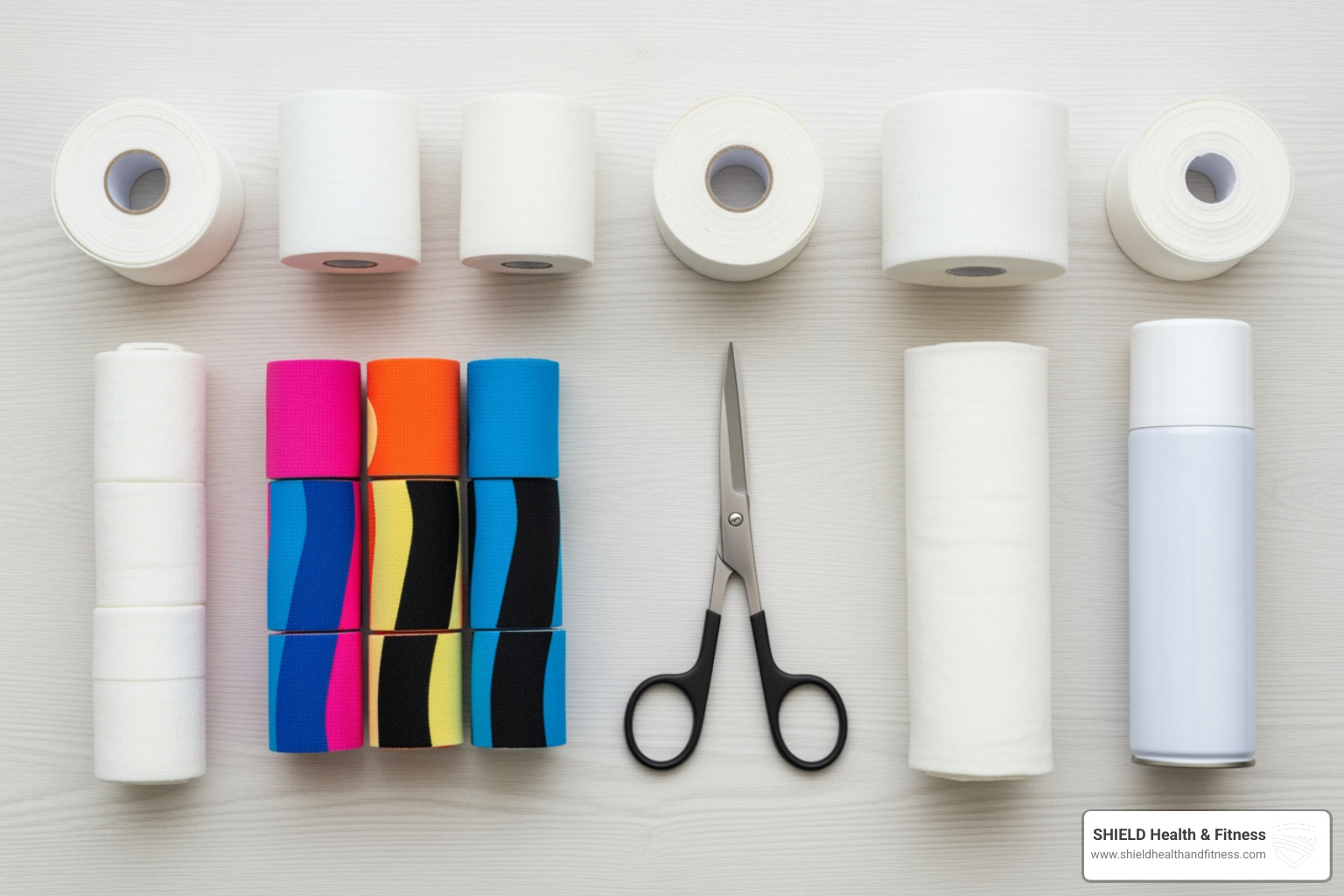
Proper preparation and application are key to effective taping. Let's gather your gear and get started.
How to Apply Athletic Tape for Achilles Tendon Taping
This method provides rigid support to limit movement and protect the tendon.
Materials:
- Athletic tape, like our shield signature athletic tape 3pk
- Pre-wrap for skin protection, like our shield pre-wrap 2pk
- Scissors
Preparation:
- Prep Skin: The area must be clean, dry, and free of lotions. Shave heavy hair 12 hours prior for better adhesion and easier removal.
- Foot Position: Keep your foot relaxed at a 90-degree angle to your leg (a neutral position).
Application Steps:
- Apply Pre-wrap: Wrap pre-wrap smoothly from your lower calf down over your foot, covering the entire area to be taped. Overlap each layer by half.
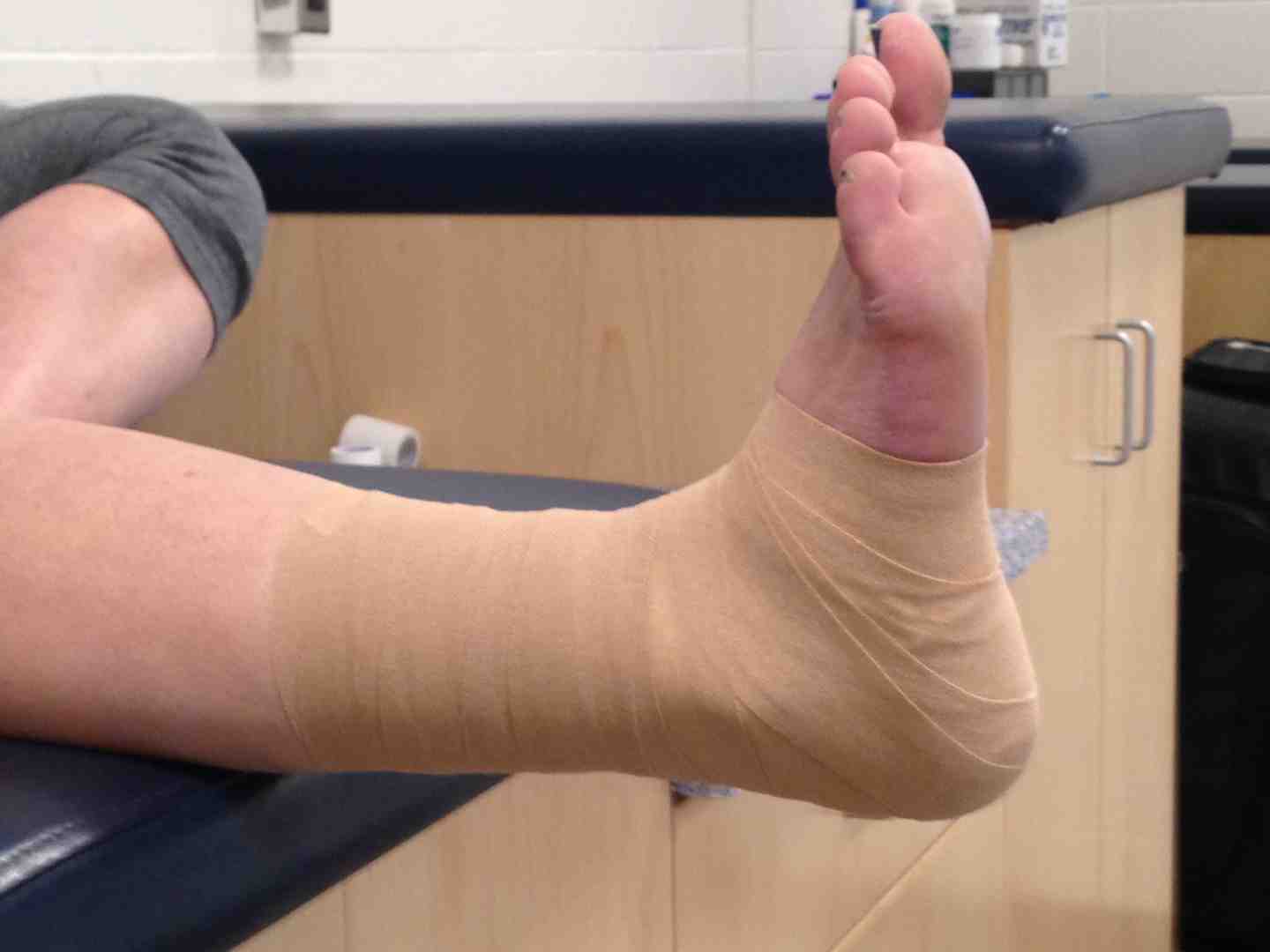
Create Anchors: Apply one strip of tape horizontally around your lower calf and another around the arch of your foot. Apply with minimal tension.
Apply Support Strips: Create a "U" shaped stirrup by running a strip from the inner calf anchor, down the inside of the tendon, under the heel, and up the outer side to the calf anchor. Apply firm tension. Repeat 2-3 times, overlapping each strip to cover the tendon area.
Apply Locking Strips: Apply horizontal strips over the anchors to "lock down" the support strips. Add diagonal "figure-eight" strips around the ankle for extra stability if needed.
Check Comfort: The tape should feel supportive, not restrictive. Check for numbness, tingling, or discoloration. If present, remove and reapply with less tension.
How to Apply Kinesiology Tape for Achilles Tendon Taping
This method offers flexible support to promote healing without restricting movement.
Materials:
- Kinesiology tape (roll or pre-cut strips)
- Scissors (if not pre-cut)
Preparation:
- Prep Skin: Ensure skin is clean, dry, and free of oils. Round the corners of your tape strips to prevent peeling.
- Foot Position: Stretch the tendon by pulling your toes up toward your shin (dorsiflexion).
Application Steps (I-Strip Method):
First Strip (Decompression):
- Measure a strip from the bottom of your heel to your calf.
- Anchor one end to the bottom of your heel with zero stretch.
- With your foot stretched, apply the tape over the Achilles with 50-80% stretch.
- Lay down the final end on your calf with zero stretch.
Second Strip (Stabilization):
- Use a shorter strip. Tear the backing in the middle.
- Apply the center of the strip horizontally over the most painful area with 50-75% stretch.
- Lay down both ends with zero stretch.
Activate Adhesive: Rub the tape to generate heat and activate the adhesive.
For more on the science, see resources like Scientific research on taping effects.
Taping Best Practices and Safety
While achilles tendon taping is beneficial, knowing when to avoid it and when to see a doctor is crucial for your safety.
When to Avoid Taping
Do not apply tape under these conditions:
- Open Wounds: Never tape over broken skin, cuts, rashes, or blisters.
- Severe Tears or Fractures: Suspected ruptures or fractures require immediate medical attention, not taping.
- Circulatory Problems: Those with poor circulation or diabetes should avoid taping, as it can restrict blood flow.
- Allergic Reactions: Do not use tape if you have a known allergy to adhesives. Watch for itching, rash, or blistering.
- Increased Pain: If taping increases pain, numbness, or causes discoloration, remove it immediately.
- Fragile Skin: Use caution and pre-wrap on elderly or fragile skin.
When to See a Doctor
Taping is not a substitute for a professional diagnosis. Consult a healthcare professional if you experience:
- Severe, sudden pain or hear a "pop" or "snap" during injury.
- Pain that is persistent, worsening, or doesn't improve with rest.
- Significant swelling, bruising, or difficulty bearing weight.
For more guidance, see resources like More on when to see a professional from Cleveland Clinic.
How Long to Wear and How to Remove Tape
Wear Time:
- Athletic Tape: Wear for shorter periods, typically removing it after activity or within 1-3 days.
- Kinesiology Tape: Can be worn for 3-5 days, as it's more flexible and breathable.
Removal: Remove tape immediately if you experience itching, increased pain, numbness, or discoloration. To remove safely, go slow. Peel the tape back on itself in the direction of hair growth, pressing down on the skin as you go. Soaking in warm water or using baby oil can help loosen stubborn adhesive. After removal, wash the skin and consider applying lotion.
Combining Taping with Other Treatments
Taping is most effective as part of a comprehensive treatment plan. Combine it with:
- RICE Method: Rest, Ice, Compression, and Elevation to manage acute inflammation.
- Stretching: Gentle, consistent stretching of the calf muscles and Achilles tendon is crucial.
- Strengthening: Once pain subsides, progressive exercises like calf raises and eccentric heel drops build resilience.
- Proper Footwear: Wear supportive, well-fitting shoes appropriate for your activity.
- Orthotics: These can correct biomechanical issues like pronation that stress the tendon.
Combining these treatments creates a synergistic approach to healing. Always consult a healthcare professional to create a personalized plan.
Frequently Asked Questions about Achilles Tendon Taping
Here are answers to some common questions about achilles tendon taping.
Can I shower with Achilles tendon tape on?
It depends on the tape:
- Kinesiology Tape: Yes. It's water-resistant. After showering, gently pat the tape dry with a towel to maintain adhesion.
- Athletic Tape: It's not recommended. Water weakens the adhesive and can cause skin irritation. It's best to remove it before showering and reapply afterward.
For showering, kinesiology tape is the more convenient choice.
How do I know if the tape is too tight?
Tape that is too tight can restrict blood flow. For Achilles Taping, it is particularly important that you do not over-tighten around the Achilles area with a stretch tape. Too much constriction for a non-immobilizing tape application can cause pressure and cause additional tendon irritation.
Remove it immediately if you experience:
- Numbness, tingling, or a "pins and needles" sensation.
- Discoloration (pale or bluish toes).
- Increased pain.
- Swelling below the taped area.
- Unusual coldness in your foot or toes.
If you notice these signs, reapply the tape with less tension. It should feel supportive, not constricting.
Which taping method is better for running?
The best method depends on your specific needs and injury severity.
Athletic Tape for Stability: Choose this for acute injuries or significant pain. It provides rigid support and restricts motion for maximum protection, which is crucial in early recovery or for high-impact sports. This is similar to taping for other sports, like when you how to tape ankles for soccer.
Kinesiology Tape for Dynamic Support: This is better for milder injuries or when you need to maintain a full range of motion. It provides dynamic support, improves blood flow, and improves proprioception, making it great for runners who don't want to feel "locked in."
If you're unsure, a physical therapist can help you choose the right achilles tendon taping strategy for your running goals.
Conclusion
We've covered the essentials of achilles tendon taping, from understanding Achilles pain to applying both athletic and kinesiology tapes. Taping offers significant benefits like pain reduction, stability, and quicker healing, but it's crucial to know when to use it and when to be cautious.
Taping is a powerful tool, but it works best as part of a comprehensive plan that includes rest, ice, stretching, and strengthening. Always listen to your body and consult a healthcare professional if pain increases or you have concerns.
At SHIELD Health & Fitness, we proudly manufacture professional-quality athletic tapes and protective tools in America. With over 35 years of expertise trusted by pro teams, we focus on ethical, local production to deliver products you can rely on.
Ready to give your Achilles the support it deserves? Explore our high-quality, American-made taping supplies.
