

Cold Therapy for Athletes – Ice, Ice, Recovery!
Why Cold Therapy for Athletes is Your Secret Weapon for Faster Recovery
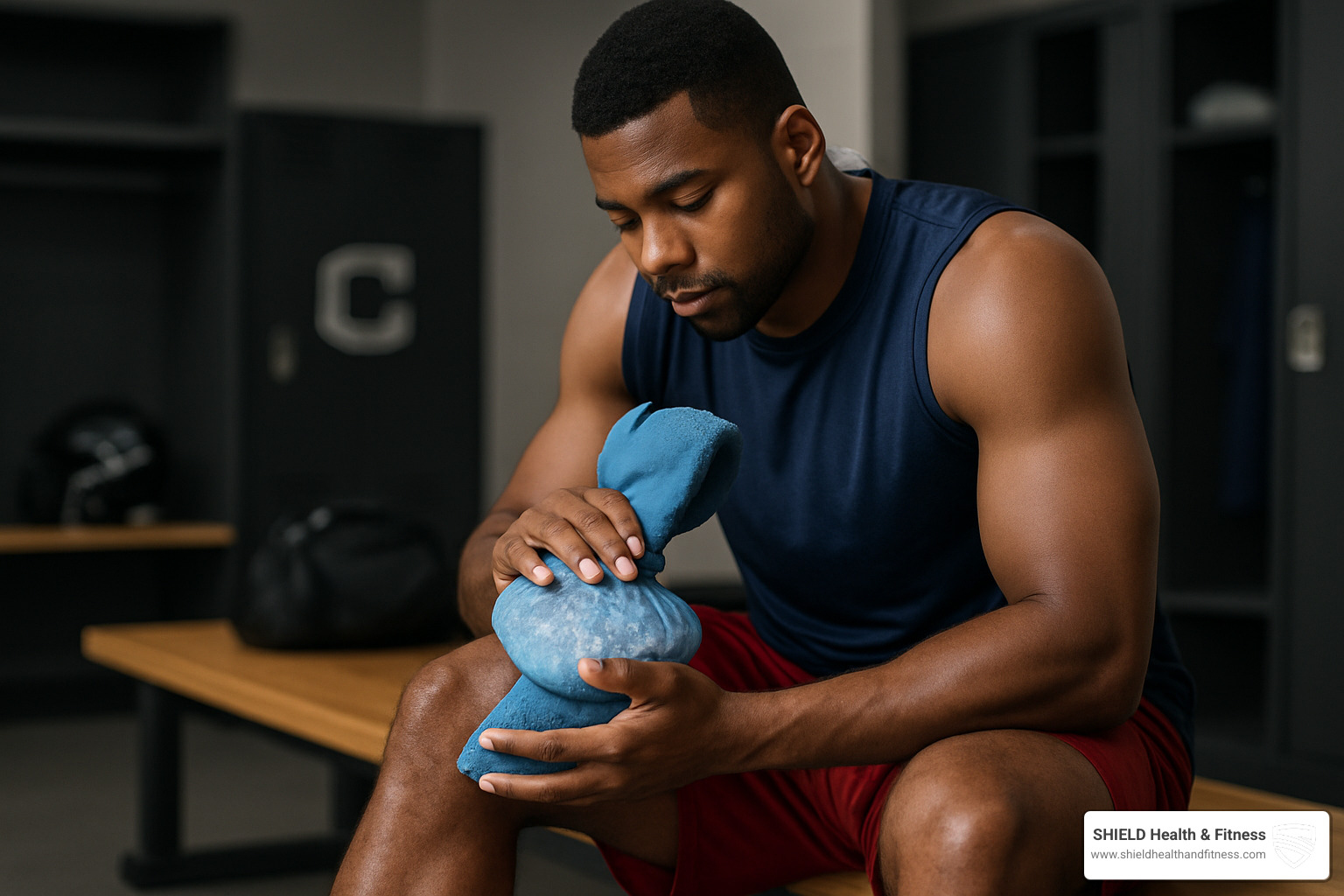
Cold therapy for athletes is the practice of using controlled cold exposure to reduce inflammation, manage pain, and accelerate recovery after intense training or competition. Here's what you need to know:
Key Benefits:
- Reduces muscle soreness by up to 30% when applied within one hour after exercise
- Decreases inflammation through vasoconstriction and reduced blood flow
- Speeds recovery time between training sessions and competitions
- Provides natural pain relief by numbing nerve signals
Most Effective Methods:
- Cold water immersion at 10-15°C for 10-15 minutes
- Ice packs with cloth barriers for 15-20 minutes
- Whole-body cryotherapy at 2-4 minute sessions
- Phase change materials for extended cooling periods
Whether you're dealing with post-workout soreness, acute injuries, or need faster recovery between games, cold therapy has been helping athletes since ancient Greece - though thankfully, today's methods are far more refined than jumping into icy rivers.
The science is clear: applying cold therapy within the first 24-48 hours after exercise or injury can significantly reduce pain and inflammation. Studies show that cold water immersion can reduce blood flow by approximately 50% in just ten minutes, while whole-body cryotherapy can cut pain scores by roughly 30%.
But here's the catch - not all cold therapy is created equal. The temperature, timing, and method matter enormously for both safety and effectiveness.
I'm Josh Key, and I've spent years at SHIELD Health & Fitness testing and developing recovery solutions with everyone from Spartans to professional skiers. Through countless product demonstrations and working with key opinion leaders, I've seen how proper cold therapy for athletes can be the difference between peak performance and prolonged recovery.
How Cold Therapy Works: The Physiology Behind the Chill
Ever wonder why that ice pack feels so good after a tough workout? The science behind cold therapy for athletes is actually pretty fascinating - and understanding it can help you use cold more effectively.
When you apply cold to your skin, your body doesn't just sit there and take it. Instead, it launches into a complex series of responses that work together like a well-orchestrated recovery team.
Your Blood Vessels Get the Message First
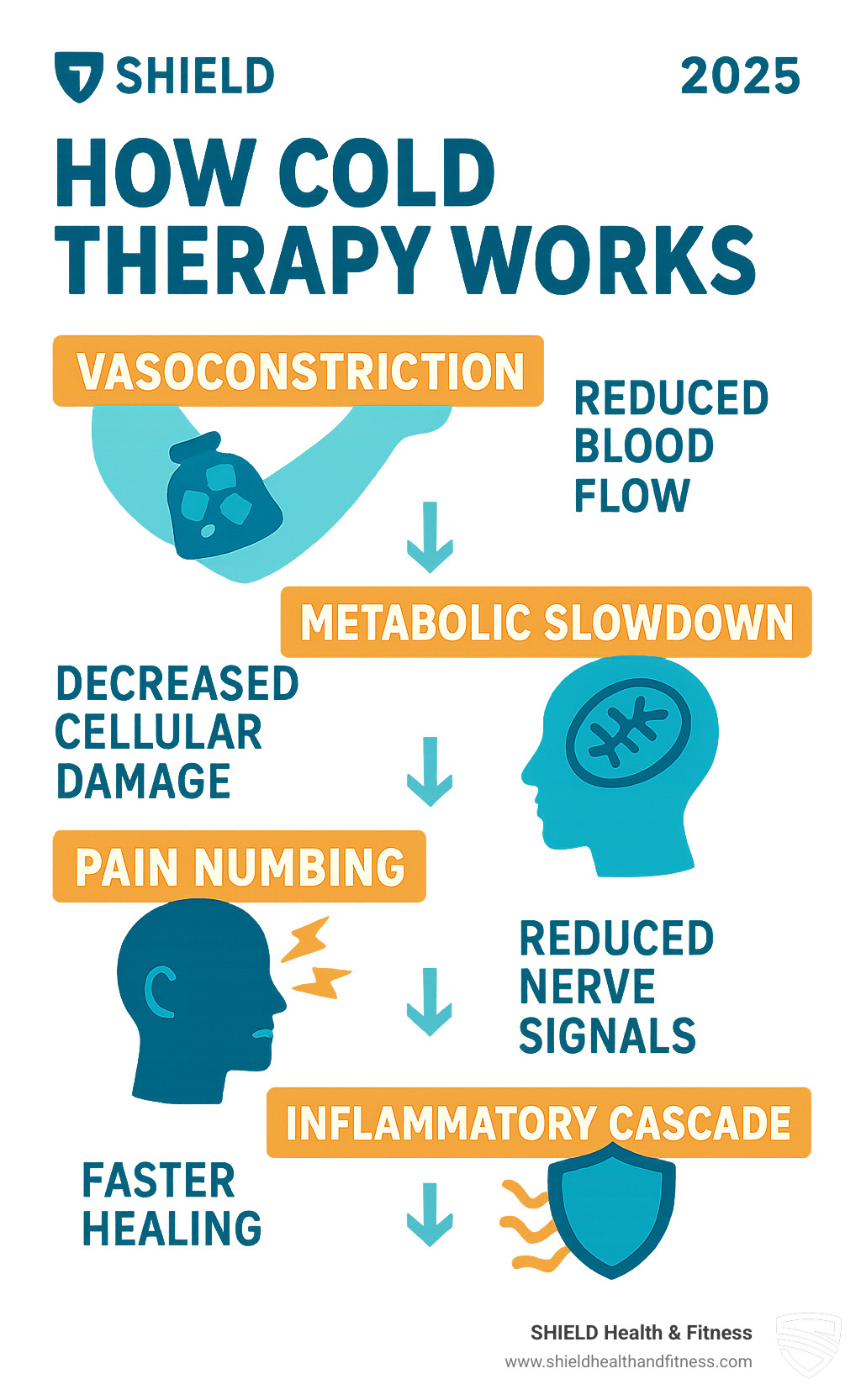
The moment cold touches your skin, something remarkable happens. Your blood vessels immediately start to constrict - we call this vasoconstriction. It's like your body's way of saying "let's tighten things up and focus on what matters most."
This response is incredibly powerful. Within just ten minutes, blood flow to the treated area drops by about 50%. That might sound dramatic, but it's exactly what you want when dealing with inflammation or acute injuries.
Think of it like controlling traffic after an accident. By reducing the flow of blood (and all the inflammatory substances it carries), you're preventing a traffic jam of swelling and secondary damage in the injured tissue.
Your Muscles Cool Down and Slow Down
Here's where things get really interesting. When you apply cold at around 15°C for 15 minutes, your muscle temperature drops by roughly 10°C. That's a significant change, and your body responds accordingly.
This temperature drop triggers what we call a metabolic slowdown. Your cells essentially shift into a lower gear, reducing their metabolism by up to 50% when skin temperature reaches 10-11°C. It's like your body's version of putting an overheated engine into safe mode.
This slowdown serves a crucial purpose - it reduces the oxygen demand of your tissues and helps preserve healthy cells. The Scientific research on DOMS reduction shows how this process directly translates into less muscle soreness and faster recovery.
Your Nerves Join the Party
Cold therapy doesn't just affect your muscles - it has a profound impact on your nervous system too. As your skin temperature drops, nerve conduction velocity decreases by about 10% when it reaches 12.5°C.
But here's the really cool part (pun intended): when your skin temperature hits around 13.6°C, you start experiencing natural pain relief. Your nerve signals essentially get "numbed," which is why that aching muscle starts to feel so much better.
This isn't just masking the pain - it's actually changing how your neuromuscular system processes and transmits signals. Your body is essentially hitting the pause button on some of those uncomfortable sensations.
Your Hormones Get a Boost
Cold exposure triggers your sympathetic nervous system - that's your body's "fight-or-flight" response. While that might sound stressful, it actually creates some pretty beneficial changes.
Your norepinephrine levels increase, which improves alertness and mood. Meanwhile, cortisol levels often decrease, helping your body manage stress and inflammation more effectively. Many athletes also experience improved dopamine release, contributing to a better mental state overall.
It's like your body's natural way of saying "challenge accepted" and then rewarding you for it.
The Four Stages You'll Feel
When you're using cold therapy for athletes, you'll typically experience four distinct sensations. First comes the obvious cold sensation as your temperature receptors wake up. Then you might feel a burning or prickling sensation as your nerves respond to the temperature change.
Next comes a deeper aching feeling as the cold penetrates your tissues. Finally, you'll notice numbness setting in - and that's your cue that you've reached the therapeutic temperature range.
This natural progression serves as your body's built-in timer. Once you hit that numbness stage, you know the analgesic effect is kicking in and you're getting the full benefit of the treatment.
Cold Therapy for Athletes: Modalities, Protocols & Safety
With years of experience in athletic recovery, we've seen every cold therapy method imaginable. Here's our breakdown of the most effective options for athletes:
Ice Packs: The Classic Choice
- Temperature: Maintain around 0-5°C
- Duration: 15-20 minutes per session
- Frequency: Every 4-6 hours for acute injuries
- Best for: Localized injuries, convenient home use
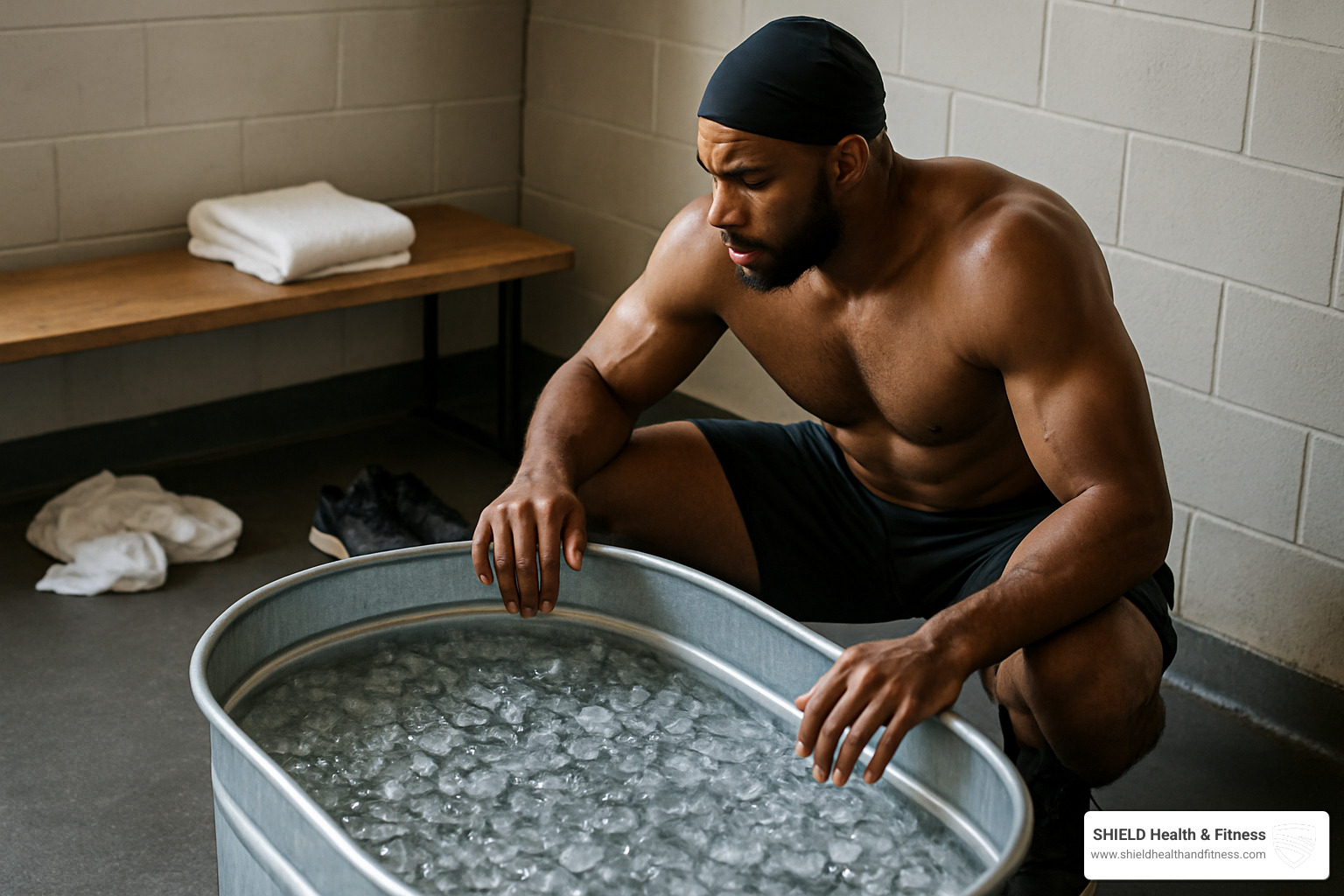
Cold Water Immersion: The Gold Standard
- Temperature: 10-15°C (50-59°F)
- Duration: 10-15 minutes
- Frequency: 3 times per week during intense training
- Best for: Full-body recovery, DOMS prevention
Whole-Body Cryotherapy: High-Tech Recovery
- Temperature: -110 to -140°C (-166 to -220°F)
- Duration: 2-4 minutes
- Frequency: 3 sessions per week
- Best for: Professional athletes, quick sessions
Phase Change Materials: Extended Cooling
- Temperature: Consistent cooling without temperature drop
- Duration: 3-6 hours of continuous cooling
- Best for: Travel, extended treatment periods
At SHIELD Health & Fitness, our Shield Polar units are designed specifically for athletic applications, providing consistent temperature control and professional-grade reliability.
| Modality | Temperature | Duration | Pros | Cons |
|---|---|---|---|---|
| Ice Packs | 0-5°C | 15-20 min | Convenient, affordable | Limited coverage |
| Cold Water Immersion | 10-15°C | 10-15 min | Full body, proven effective | Setup required |
| Whole-Body Cryotherapy | -110 to -140°C | 2-4 min | Quick, professional | Expensive, requires facility |
| Phase Change Materials | Variable | 3-6 hours | Extended cooling | Less intense effect |
Applying Cold Therapy for Athletes: Step-by-Step Protocols
The Golden Hour: Immediate Response
The first 60 minutes after exercise or injury represent your most critical window. Here's our proven protocol:
Immediate Assessment (0-5 minutes)
- Evaluate injury severity
- Check for contraindications
- Gather necessary equipment
First Application (5-25 minutes)
- Apply cold therapy with cloth barrier
- Monitor skin response
- Maintain target temperature range
Rest Period (25-55 minutes)
- Allow skin to return to normal temperature
- Assess pain and swelling changes
- Prepare for second application if needed
The 24-48 Hour Window
Research consistently shows that cold therapy is most effective within the first 24-48 hours post-exercise or injury. During this period:
- Apply cold therapy every 4-6 hours
- Maintain 15-20 minute sessions
- Use cloth barriers to prevent frostbite
- Monitor for signs of improvement
Adaptation Considerations
While cold therapy accelerates recovery, overuse can potentially blunt training adaptations. To balance recovery with performance gains:
- Limit cold therapy during strength-building phases
- Use periodization - more during competition, less during base training
- Consider timing - avoid cold therapy immediately before training sessions within 4 hours
Sport-Specific Cold Therapy for Athletes
Contact Sports (Football, Rugby, Hockey)
- Focus: Acute trauma, bruising, swelling
- Protocol: Immediate ice application for 20 minutes, repeat every 2-3 hours
- Special considerations: Target impact areas, use compression wraps
Endurance Sports (Running, Cycling, Swimming)
- Focus: Heat management, muscle fatigue, DOMS
- Protocol: Post-exercise cold water immersion for 10-15 minutes
- Special considerations: Whole-body cooling, hydration monitoring
Technical Sports (Golf, Tennis, Baseball)
- Focus: Overuse injuries, precision muscle groups
- Protocol: Localized ice application, 15-20 minutes post-activity
- Special considerations: Target specific muscle groups, maintain flexibility
Cold vs Heat vs Contrast: Choosing the Right Temperature Tool
Choosing between cold and heat therapy can feel confusing, but it doesn't have to be. After 35 years of working with athletes at SHIELD Health & Fitness, we've learned that timing and injury type are everything.
Cold Therapy: Your First Line of Defense
Cold therapy for athletes works best when you're dealing with fresh injuries or intense training sessions. Think of cold as your emergency response tool - it's what you reach for when something hurts right now.
Use cold therapy during the first 24-48 hours after any trauma. This includes everything from a twisted ankle to that burning sensation in your quads after hill sprints. Cold therapy shines when you can see visible swelling, feel heat radiating from the injury, or need immediate pain relief.
The magic happens within that first hour after exercise. Your muscles are inflamed, your blood vessels are dilated, and your body is essentially in damage control mode. Cold therapy steps in to slow everything down and give your body a chance to heal properly.
Heat Therapy: The Comfort Zone
Heat therapy takes a completely different approach. While cold therapy restricts blood flow, heat therapy opens the floodgates through vasodilation. This increased blood flow delivers nutrients and oxygen while carrying away metabolic waste.
Heat works best for chronic conditions and old injuries that have been bothering you for weeks or months. That stiff shoulder that acts up every morning? Heat. Those tight hamstrings that never seem to loosen up? Heat.
Timing matters here too. Heat therapy is perfect before exercise when you need to warm up tight muscles and improve flexibility. It's also your go-to choice after 72 hours when the acute inflammation has calmed down and your body is ready for increased circulation.
Scientific research on heat benefits shows that heat provides both immediate comfort and long-lasting pain relief for chronic conditions.
Contrast Therapy: The Best of Both Worlds
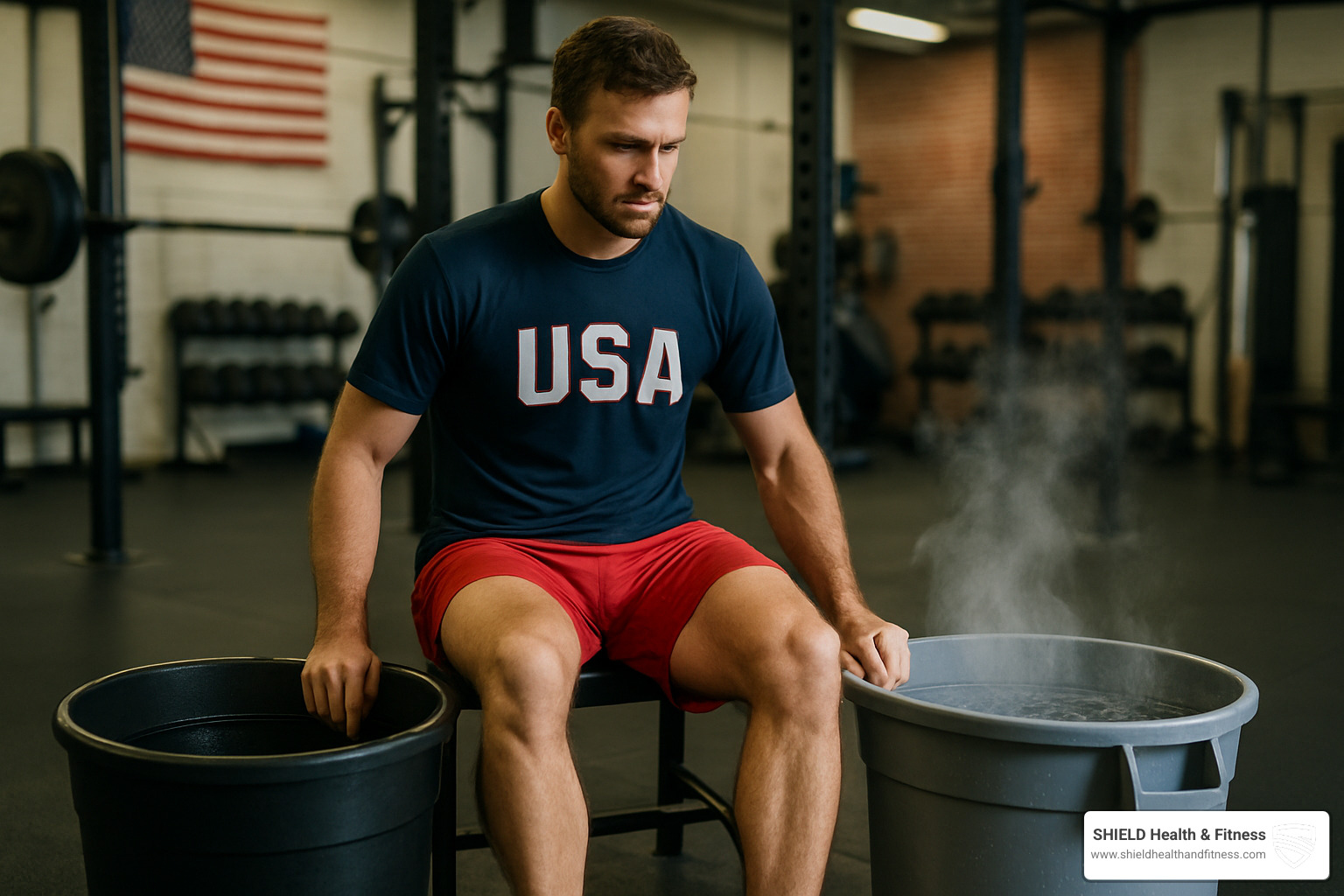
Contrast therapy alternates between hot and cold treatments to create what we call a "vascular pump" effect. Picture your blood vessels as a sponge - the hot phase expands them like squeezing the sponge, while the cold phase contracts them like releasing it.
The protocol is straightforward: 3-4 minutes of heat at 37-43°C, followed by 1 minute of cold at 12-15°C. Repeat this cycle 3-4 times over 20-30 minutes total. The key decision is how to end - finish with cold for injury management or hot for improved flexibility.
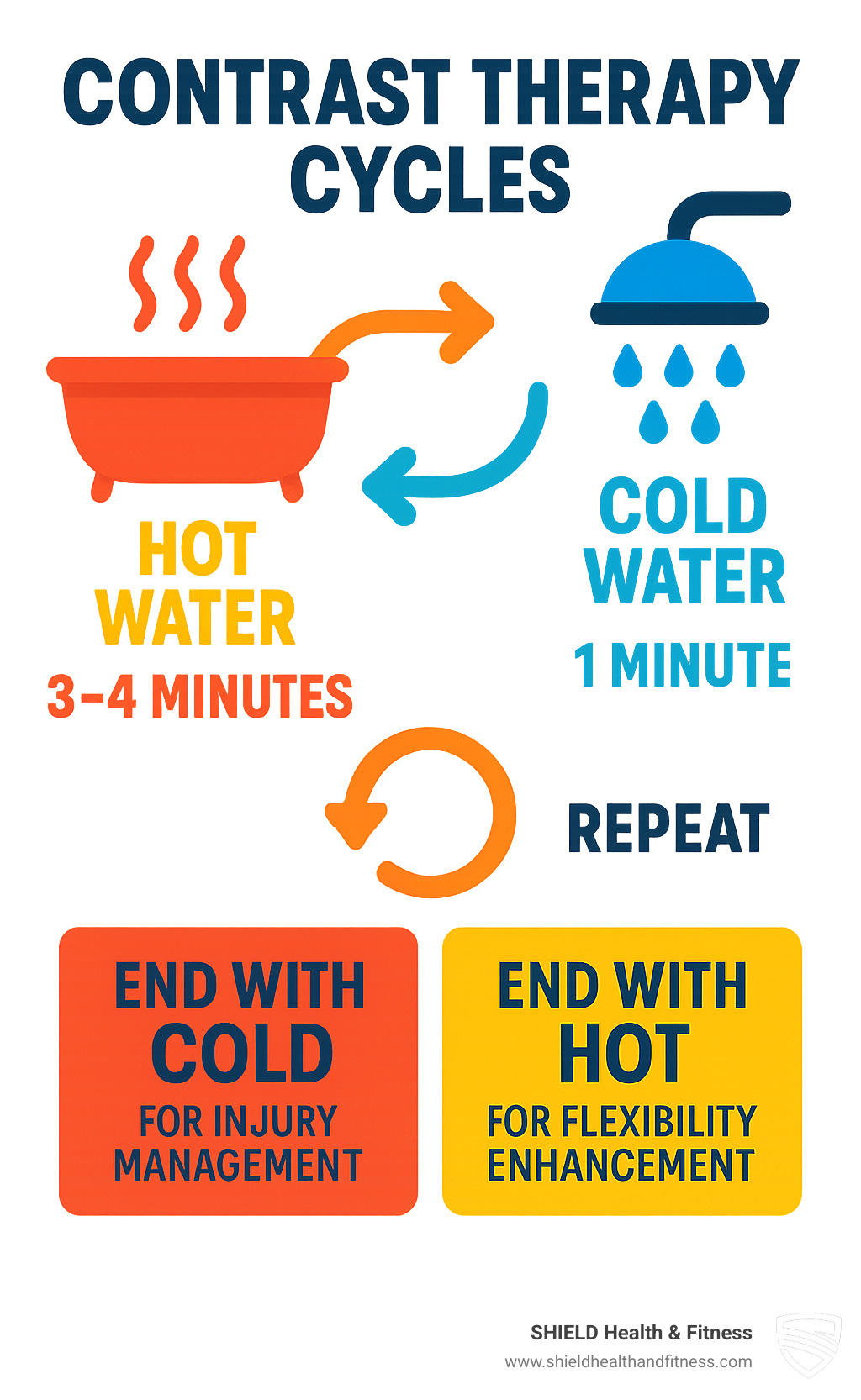
This alternating approach flushes metabolic waste while delivering fresh nutrients to tissues. Studies consistently show that contrast therapy beats passive recovery for reducing muscle pain after exercise.
Making the Right Choice
The decision often comes down to four simple questions. Is your injury fresh or has it been around for weeks? Fresh injuries need cold, while chronic issues respond better to heat. Can you see swelling or feel heat from the injury? Visible inflammation calls for cold therapy every time.
What's your main goal right now? If you need immediate pain relief and want to control inflammation, cold therapy is your answer. If you're trying to improve flexibility and promote healing in chronic conditions, heat therapy will serve you better.
When are you planning to apply the treatment? Heat therapy before exercise prepares your muscles for activity, while cold therapy for athletes after intense training helps control the inflammatory response and speeds recovery.
The beauty of understanding these principles is that you can make confident decisions about your recovery strategy. Whether you're dealing with a game-day injury or managing chronic tightness, you'll know exactly which temperature tool will get you back to peak performance fastest.
Safety, Risks & Personalization Guidelines
Let me share something that happened early in my career at SHIELD Health & Fitness. A young wrestler came to us with what looked like a minor ankle sprain. He'd been applying ice packs directly to his skin for hours, thinking "more is better." What we found was early-stage frostbite that kept him out of competition for weeks.
That experience taught me that cold therapy for athletes isn't just about knowing what works – it's about understanding what can go wrong and how to prevent it.
The Non-Negotiable Safety Rules
After three decades of working with everyone from weekend warriors to professional teams, these safety principles have never failed us. Always use a cloth barrier between ice and skin – even a thin towel makes the difference between therapeutic cooling and tissue damage.
Never exceed 20 minutes with ice packs or 15 minutes with cold water immersion. Your body needs time to respond and adapt. I've seen too many athletes think they're being tough by pushing longer, only to end up with nerve damage or worse.
Watch your skin like a hawk. Healthy skin should turn pink, then red during cold therapy. If it goes white or blue, stop immediately. That's your body's way of saying "enough."
When Cold Therapy Becomes Dangerous
Some athletes simply shouldn't use cold therapy, period. If you have circulatory disorders like Raynaud's syndrome or peripheral vascular disease, cold therapy can trigger dangerous vasoconstriction. The same goes for pregnancy – especially whole-body cryotherapy, which can affect blood flow to the baby.
Open wounds are another absolute no-go. Cold therapy slows healing in open tissue and increases infection risk. And if you have diabetes or nerve damage, you might not feel when cold therapy is causing harm.
Here's something many athletes don't realize: excessive cold therapy can actually slow muscle growth. When you're in a muscle-building phase, limit your cold therapy sessions. The same inflammation you're trying to reduce is actually part of the adaptation process that makes you stronger.
Temperature matters more than you think. Below 15°C, you risk what we call "edema rebound" – where swelling actually gets worse after treatment. Below 10°C with prolonged exposure, you're looking at potential tissue damage.
Making It Personal
Your body composition affects how you respond to cold therapy. Athletes with lower body fat (under 10 mm skinfold thickness) typically need shorter immersion times – around 12 minutes is plenty. If you're carrying more muscle mass or body fat, you might need up to 40-60 minutes to achieve the same therapeutic effect.
Monitor your individual response religiously. Track your pain levels before and after treatment, how well you sleep on treatment days, and how you feel the next morning. Your body will tell you what's working.
At SHIELD Health & Fitness, our American-made recovery products are designed with these safety principles built in. And don't forget – cold therapy works even better when combined with proper injury support. Check out our Help Guide: Athletic Tape for Injuries for complementary recovery strategies.
The bottom line? Cold therapy for athletes is incredibly powerful when used correctly. But like any powerful tool, it demands respect and proper technique.
Frequently Asked Questions about Cold Therapy for Athletes
After 35+ years of helping athletes recover faster, we've heard just about every question imaginable about cold therapy for athletes. Here are the answers to the ones that come up most often - and the ones that matter most for your performance.
When should I use cold therapy?
The timing of cold therapy can make the difference between rapid recovery and wasted effort. Here's what we've learned from working with everyone from weekend warriors to professional teams:
For fresh injuries, cold therapy works best when applied immediately - ideally within the first 5 minutes, but definitely within that crucial first hour. The inflammatory cascade starts fast, and cold therapy is most effective when it gets there first. Continue applications every 4-6 hours for the first 24-48 hours while acute inflammation is at its peak.
For post-exercise recovery, that golden window is within 60 minutes after intense training or competition. This is when your muscles are primed to benefit most from cold therapy's anti-inflammatory effects. Studies consistently show this timing maximizes the reduction in delayed onset muscle soreness (DOMS) - that familiar ache that hits 24-48 hours after hard training.
For chronic conditions, cold therapy can help manage ongoing inflammation after activity, though heat therapy often provides better relief for long-standing issues. Think of cold as your acute problem solver and heat as your chronic condition manager.
There's one important timing rule to remember: avoid cold therapy within 4 hours before strength training sessions. The same anti-inflammatory effects that help recovery can interfere with the muscle-building signals your body needs during training.
Can cold therapy slow muscle growth?
This question keeps serious athletes up at night, and honestly, it should. The relationship between cold therapy for athletes and muscle growth is more complex than most people realize.
Here's the reality: cold therapy can potentially interfere with muscle-building adaptations if used incorrectly. The inflammatory response that cold therapy suppresses isn't just "bad" inflammation - it's partly the same process your body uses to build stronger, bigger muscles. When you completely shut down this response after every workout, you might be limiting your gains.
The key is strategic timing. During dedicated muscle-building phases, reduce your cold therapy frequency. Save it for recovery between competitions or after particularly brutal training sessions, not after every single workout. Elite athletes successfully steer this by periodizing their approach - more cold therapy during competition seasons when recovery trumps adaptation, less during off-season strength building when muscle growth is the priority.
The good news: cold therapy won't ruin your gains if you use it intelligently. Professional athletes have been using both strategies successfully for decades. The secret is knowing when to prioritize recovery versus when to let your body's natural adaptation process run its course.
How cold and how long is safe?
Safety isn't negotiable when it comes to cold therapy. We've seen too many athletes push too hard and end up with frostbite or worse. Here's your safety playbook:
Temperature matters enormously. Ice packs should stay around 0-5°C with a cloth barrier - never apply ice directly to skin. Cold water immersion works best at 10-15°C, while whole-body cryotherapy operates at the extreme end of -110 to -140°C but only for very short periods.
Duration limits exist for good reasons. Ice packs max out at 15-20 minutes, cold water immersion at 10-15 minutes, and whole-body cryotherapy at just 2-4 minutes. Phase change materials can work for up to 6 hours, but they provide less intense cooling.
Your skin will tell you when to stop. If your skin becomes white or blue, you're done. If you start shivering excessively or numbness becomes concerning, remove the cold immediately. These aren't signs of toughness - they're warning signals that tissue damage is starting.
Frequency depends on your situation. For acute injuries, every 4-6 hours during the first 24-48 hours is standard. For general recovery, 3 times per week during intense training periods works well. For maintenance, listen to your body and adjust based on how you respond.
At SHIELD Health & Fitness, we've built our reputation on keeping athletes safe while maximizing their performance. Cold therapy is a powerful tool, but like any tool, it works best when used correctly and safely.
Conclusion
Cold therapy for athletes has come a long way from those ancient Greek warriors jumping into icy rivers. Today, we know exactly why it works - and more importantly, how to do it safely and effectively.
The science is clear: controlled cold exposure reduces inflammation, numbs pain, and speeds up recovery. But here's what really matters - it only works if you use it correctly. The magic happens at 10-15°C for 10-15 minutes, applied within that golden first hour after exercise or injury.
I've seen too many athletes either skip recovery entirely or do it wrong. Neither approach gets you where you want to go. The athletes who consistently use proper cold therapy for athletes protocols are the ones still competing at high levels years later, while others are dealing with chronic pain and extended recovery times.
At SHIELD Health & Fitness, we've been in the recovery game for over 35 years. We've watched trends come and go, but the fundamentals never change. Quality equipment, proper technique, and consistent application - that's what separates the athletes who thrive from those who just survive.
Our American-made products aren't just built to last - they're built to perform when it matters most. Whether you're a weekend warrior or competing at the professional level, your recovery deserves the same attention you give your training.
The best part? You don't need to overcomplicate it. Start with basic ice packs or cold water immersion. Listen to your body, follow the safety guidelines, and stay consistent. Your future self will thank you when you're still performing at your peak while others are struggling with injuries and burnout.
Ready to make recovery a priority? Check out our complete range of athletic recovery solutions at our Shield Shop Main Page. From cold therapy equipment to protective gear, we've got everything you need to train harder, recover smarter, and keep doing what you love.
Stay cold, stay strong, and keep pushing your limits.
