Why Do My Feet Hurt After Pickleball? Solutions for Happy Feet
Why Your Feet Are Screaming After A Day on the Court
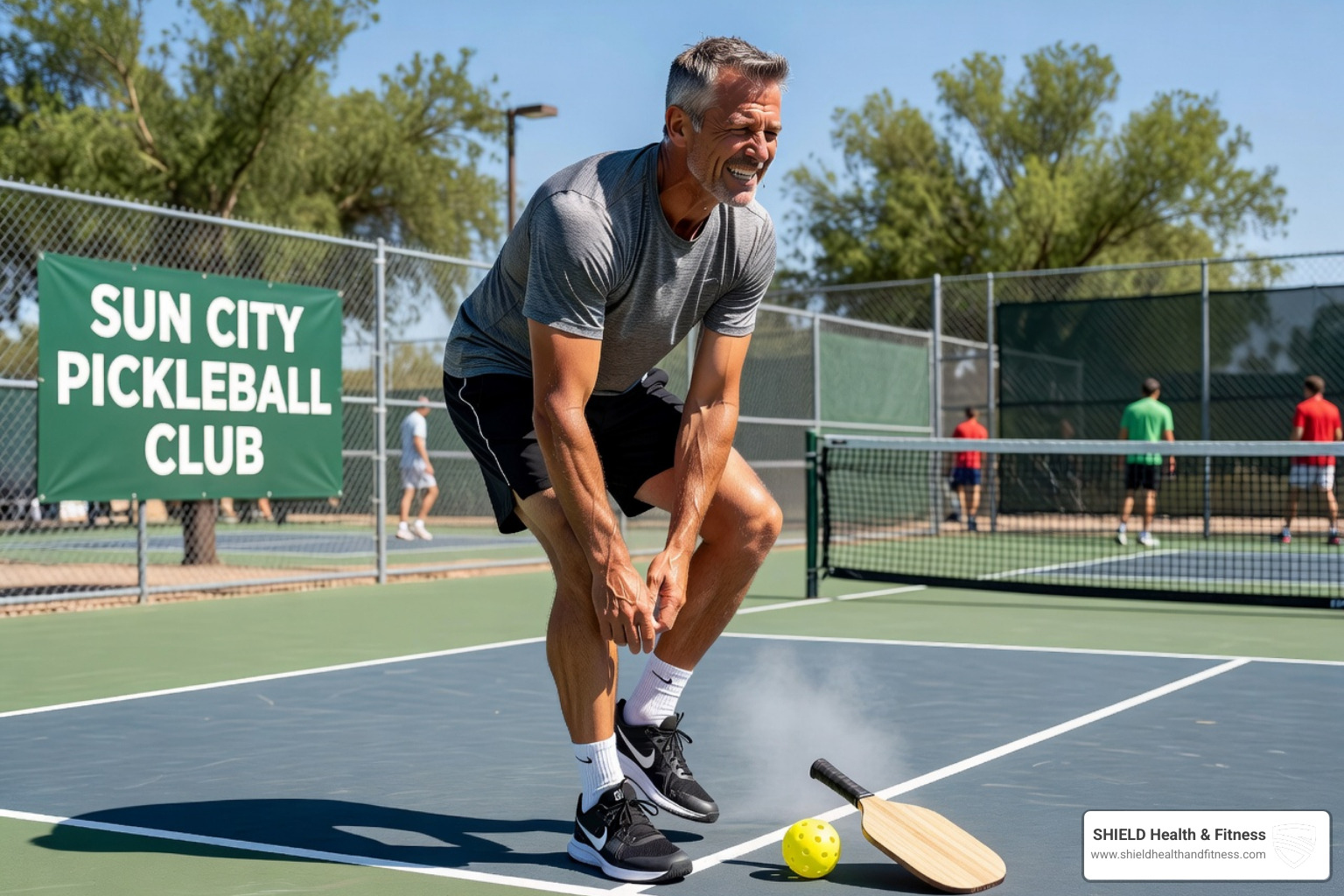
Foot pain in pickleball is one of the fastest-growing concerns alongside the sport itself. With 48.3 million Americans now playing pickleball, foot and ankle injuries have surged dramatically—increasing 6.5-fold from 2019 to 2023 alone.
Quick Answer: Common Causes and Solutions
| Problem | Why It Happens | Quick Fix |
|---|---|---|
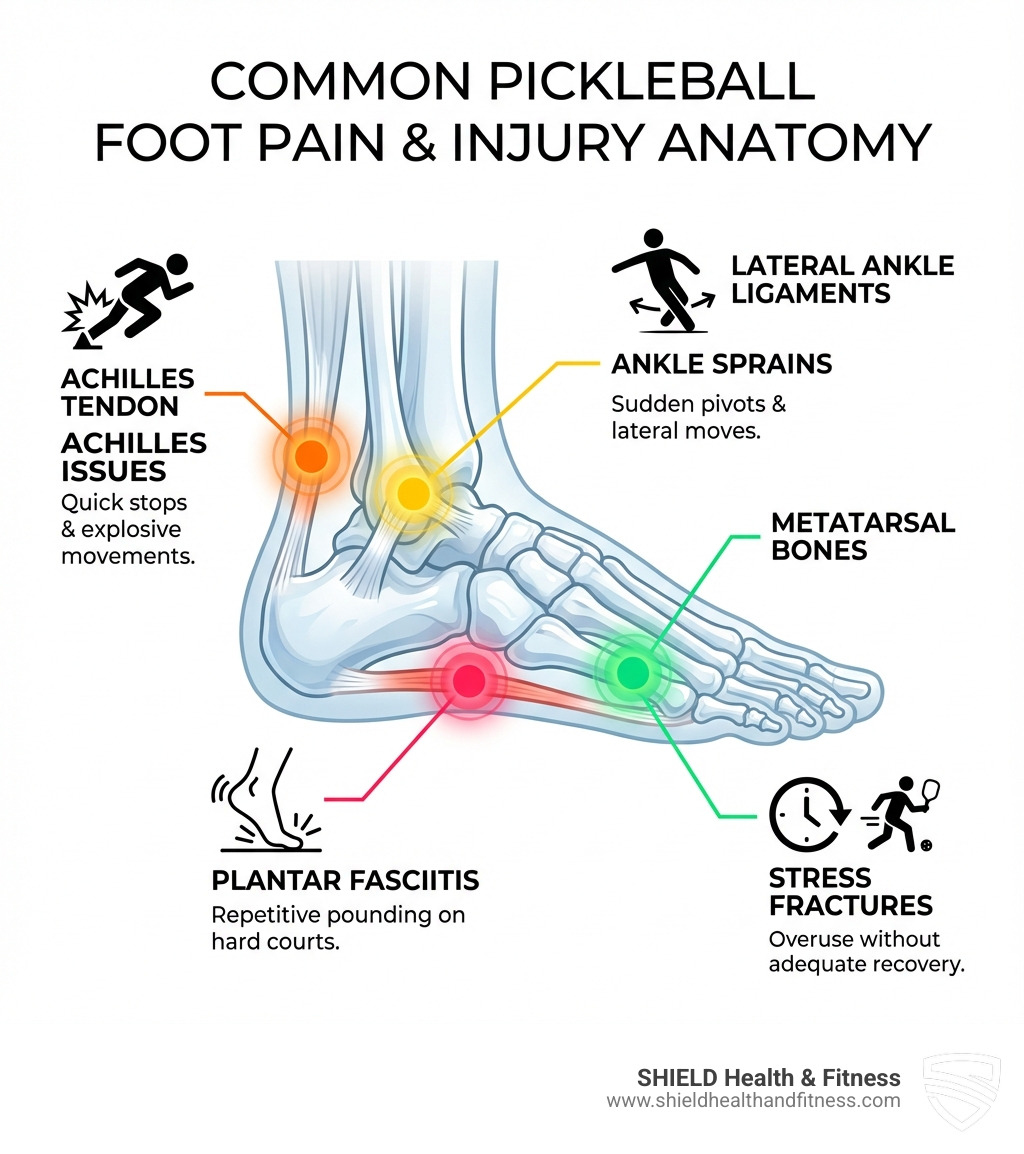
| Plantar Fasciitis | Repetitive pounding on hard courts | Proper court shoes, arch support, stretching, taping |
| Achilles Issues | Quick stops and explosive movements | Gradual conditioning, calf stretches, rest |
| Ankle Sprains | Sudden pivots and lateral movements | Stability shoes, ankle strengthening, taping |
| Stress Fractures | Overuse without adequate recovery | Seek treatment; rehabilitate; then build up play slowly, using proper footwear |
The problem is clear: pickleball demands quick lateral movements, explosive starts, and constant stop-on-a-dime footwork. Unlike tennis with its larger court, pickleball packs intense action into a smaller space, putting tremendous stress on your feet and ankles. The sport's popularity among players over 50 (who account for 90% of all pickleball injuries) compounds the issue, as older bodies recover more slowly and often have pre-existing conditions like arthritis.
The most common injuries include:
- Achilles tendon ruptures (39.4% of all pickleball foot/ankle injuries)
- Plantar fasciitis from repetitive impact
- Ankle sprains from quick directional changes
- Stress fractures from overuse
Players might be tempted to treat pickleball as casual recreation rather than the demanding sport it is. They show up in running shoes, skip warm-ups, and go from sedentary lifestyles to intense play without proper conditioning. This "weekend warrior" approach is a recipe for injury.
But here's the good news: most pickleball foot pain is preventable. With the right footwear, proper technique, smart conditioning, and supportive tools like athletic tape, you can stay on the court pain-free.
I'm Josh Key from SHIELD Health & Fitness. Our team has worked extensively with athletes across multiple disciplines—from Spartans to professional skiers—helping them prevent and recover from sports injuries. This has taught us a lot about foot pain, and a lot about the kinds of discomfort now common in pickleball.
Through my work with SHIELD, I've seen how proper support and recovery tools can keep athletes playing the sports they love, including the growing community of pickleball players dealing with foot pain pickleball issues. My experience in performance and recovery solutions has shown me that the right preventative approach makes all the difference.
This guide will walk you through everything you need to know about understanding, treating, and preventing foot pain from pickleball—so you can focus on your game, not your aching feet.
Understanding Common Causes of Foot Pain from Pickleball
Pickleball, despite its seemingly gentle appearance, is a demanding sport that puts significant stress on our lower extremities. The unique blend of quick, reactive movements within a compact court space creates a perfect storm for foot pain in pickleball. We often see players experiencing issues not because they're playing "too hard," but because the nature of the game itself challenges the body in specific ways.
The constant need for sudden stops, explosive starts, and quick pivots means our feet and ankles are subjected to repetitive pounding. Imagine chasing a "dink" with a backhand, lunging forward to return a shot, or darting side-to-side across the court. Each of these actions generates impact and torque that can strain muscles, tendons, and joints. This repetitive stress, coupled with the hard court surfaces common in pickleball, is a primary contributor to why our feet might be "yelling" after a game.
Player demographics also play a crucial role. The mean age of patients with pickleball foot and ankle injuries is 58.3 years, and an estimated 90% of all pickleball injuries are found in players 50 and older. While pickleball is fantastic for all ages, older bodies naturally recover slower and may have pre-existing conditions like arthritis that can be aggravated by the sport's demands. This highlights the critical need for proper precautions and preparation. For valuable tips on how to protect your feet and ankles, we recommend checking out these 6 Tips to Prevent Pickleball Injuries to Your Feet & Ankles.
The Wrong Footwear
One of the most common culprits for foot pain pickleball is simply wearing the wrong shoes. Many players arrive on the court in running shoes, which are fantastic for forward motion but offer little to no lateral support. Pickleball, however, is all about those swift side-to-side movements. Running shoes, with their liftd heels and flexible uppers, can actually increase the risk of ankle sprains and instability during lateral cuts.
Beyond just the type, worn-out shoes are another major problem. Over time, the cushioning breaks down, the tread wears thin, and the shoe loses its structural integrity. This leads to inadequate cushioning against impact and poor traction, making slips and falls more likely. If your shoes feel less supportive, or you start noticing new foot pain, it’s a clear sign they need replacing.
Technique and Overuse
The allure of pickleball often leads to a "too much too soon" approach. With the sport's accessibility, many individuals transition from a sedentary lifestyle to intense play without gradually building up their endurance and technique. This rapid increase in activity is a recipe for overuse injuries and acute incidents. The incidence of injuries increased a dramatic 6.5-fold from 2019 to 2023, reflecting this surge in participation and, sometimes, inadequate preparation.
Improper technique, such as poor footwork or neglecting to bend at the knees (especially for those challenging low shots), can place excessive strain on the feet, ankles, and even the lower back. Over-training, or not allowing sufficient rest between games, prevents the body from repairing and strengthening itself, leading to chronic pain and increased injury risk.
Conditioning
Going from a sedentary lifestyle directly to the pickleball court is a common pathway to injury. Our bodies, especially our feet and ankles, need to be conditioned for the specific demands of the sport. Weak supporting muscles in the feet, ankles, and calves mean less stability and shock absorption.
Poor flexibility can limit range of motion, making muscles and tendons more susceptible to tears and strains. Furthermore, inadequate warm-ups before play and neglecting cool-downs afterward leave muscles cold and stiff, increasing vulnerability. Just like any athlete, pickleball players need to prepare their bodies to avoid the pitfalls of foot pain in pickleball.
Identifying Common Pickleball Foot & Ankle Injuries
The rapid growth of pickleball has unfortunately coincided with a rise in injuries. A 2019 Journal of Emergency Medicine study estimated 19,000 pickleball injuries annually, and recent data shows a significant uptick in those seeking medical attention for foot and ankle issues. Understanding these injuries is the first step toward effective treatment and prevention.
A retrospective review identified 198 patients with pickleball foot and ankle injuries, highlighting that most patients reported a traumatic injury (77.8%). The mean age of these patients was 58.3 years. The most common diagnosis was Achilles tendon rupture, accounting for a significant 39.4% of all identified cases. Other common issues include ankle sprains, fractures, and the aggravation of pre-existing conditions like Achilles tendonitis and arthritis pain. For a deeper dive into these trends, you can refer to the research on Emerging Patterns of Foot and Ankle Injuries in Pickleball Players.
Plantar Fasciitis
This is one of the most common causes of foot pain pickleball, especially in the heel. Plantar fasciitis is an inflammation of the plantar fascia, a thick band of tissue that runs across the bottom of your foot, connecting your heel bone to your toes. Players often describe it as a sharp, stabbing pain in the heel, particularly noticeable with the first steps out of bed in the morning or after periods of rest. The pain tends to lessen as you move around but can worsen with prolonged activity. Repetitive pounding on hard courts and inadequate arch support are major contributors. For more information on how athletic tape can help manage this condition, explore our guide on athletic tape for plantar fasciitis.
Achilles Tendonitis and Discomfort
The Achilles tendon, located at the back of your ankle, is crucial for pushing off and jumping. Pickleball's explosive starts, quick stops, and lunging movements place immense stress on this tendon. Achilles tendonitis is an overuse injury causing pain, stiffness, and sometimes swelling in the back of the heel. If continuous stress is applied without proper rest and treatment, tendonitis can progress to a partial or complete Achilles tendon rupture. This is often characterized by a sudden, severe pain and a "popping" sound, making it the most common traumatic diagnosis (39.4%) among pickleball foot and ankle injuries. Notably, men are seven times more likely to injure their Achilles tendon or calf muscle than women.
Ankle Sprains and Strains
Quick directional changes and lateral movements are inherent to pickleball, making ankle injuries very common. An ankle sprain occurs when the foot rolls or twists beyond its normal range of motion, stretching or tearing the ligaments that stabilize the ankle joint. This can lead to immediate pain, swelling, bruising, and instability. Ankle strains, on the other hand, involve the overstretching or tearing of muscles or tendons around the ankle. Both can significantly impact your ability to play and require careful attention. To understand how athletic tape can aid in recovery and prevention, you can learn about athletic tape for injuries.
Stress Fractures and Other Pains
Repetitive impact on hard surfaces, especially without proper conditioning or footwear, can lead to tiny cracks in the bones of the foot, known as stress fractures. These typically present as a gradual increase in pain that worsens with activity and improves with rest. Other common foot pain pickleball issues include:
- Turf Toe: A sprain of the ligaments around the big toe joint, often caused by jamming the toe or repeatedly pushing off forcefully.
- Neuromas: A thickening of nerve tissue, usually between the third and fourth toes, causing burning pain, numbness, or tingling.
- Blisters: Friction from ill-fitting shoes or socks can cause painful blisters, which can be mitigated with proper footwear and protective measures. We offer blister defense pads to help prevent these pesky pains.
A Proactive Approach: Prevention is the Best Medicine
When it comes to foot pain in pickleball, an ounce of prevention is truly worth a pound of cure. Taking a proactive approach to your gear, warm-ups, and overall physical conditioning can dramatically reduce your risk of injury and keep you enjoying the game for years to come.
Choosing the Right Gear: Shoes, Socks, and Insoles
Your footwear is your first line of defense against pickleball foot pain. This isn't a sport where any old athletic shoe will do.
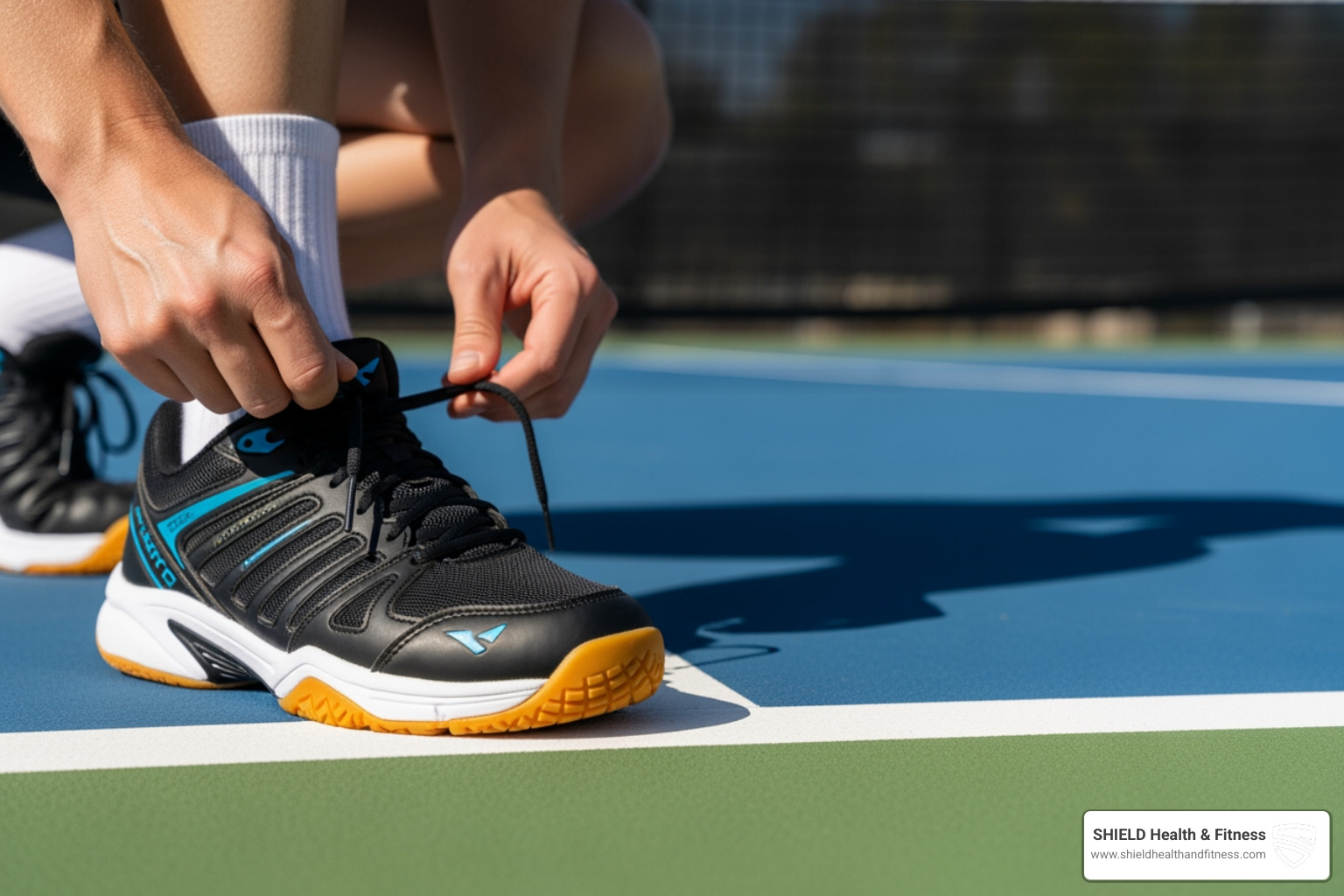
- Shoes: We cannot stress this enough: Ditch the running shoes for pickleball! Running shoes are designed for forward motion, not the lateral movements and quick pivots characteristic of pickleball. Instead, opt for court shoes. If you play outdoors, tennis shoes are your best bet. For indoor play, badminton, racquetball, or squash shoes are excellent alternatives. Look for shoes that offer:
- Stability: Reinforced sides to support lateral movements and prevent ankle rolling.
- Cushioning: Adequate shock absorption to mitigate the impact of repetitive pounding on hard courts.
- Wide Toe Box: To allow your toes to splay naturally and prevent issues like neuromas or pinched nerves.
- Low Heel Drop: A flatter sole provides better ground feel and stability for quick changes in direction. Remember to replace your shoes every few months if you play frequently, as their support and cushioning degrade over time, even if they look fine.
- Socks: Don't underestimate the power of a good pair of socks! We recommend moisture-wicking socks, ideally made from synthetic blends. These help keep your feet dry, preventing friction and blisters, and can offer additional cushioning and compression. Avoid cotton socks, as they retain moisture and can lead to discomfort.
- Orthotics and Insoles: For those needing extra support, especially if you have flat feet, high arches, or a history of plantar fasciitis, custom or over-the-counter orthotics can make a significant difference. They provide crucial arch support and help correct biomechanical issues that contribute to foot pain pickleball.
The Importance of Warming Up and Cooling Down
Think of your body as a high-performance engine; it needs to warm up before hitting top speeds and cool down gradually afterward.
- Dynamic Warm-Ups: Before stepping onto the court, dedicate 5-10 minutes to a dynamic warm-up. This prepares your muscles and joints for activity by increasing blood flow and flexibility. We suggest light cardio like jogging in place, jumping jacks, and dynamic stretches such as leg swings (forward/backward and side-to-side) and torso twists. You can also try dynamic warm-ups designed for runners, which are great for lower body preparation.
- Cooling Down: After your game, spend another 5-10 minutes cooling down with static stretches. Hold each stretch for 20-30 seconds, focusing on major muscle groups like your calves, hamstrings, quadriceps, and hip flexors. Calf stretches are particularly important for preventing Achilles tendonitis and plantar fasciitis. Cooling down helps improve flexibility, reduce muscle soreness, and aids in recovery.
Building a Resilient Body: Conditioning and Cross-Training
A strong and flexible body is less prone to injury. Incorporating conditioning and cross-training into your routine can significantly reduce your risk of foot pain pickleball.
- Strengthening Exercises: Focus on strengthening the muscles around your feet and ankles. Simple exercises like calf raises, toe raises, and ankle alphabet (drawing the letters of the alphabet with your foot) can improve stability and strength. Core strength is also vital, as a strong core provides a stable base for all movements, reducing strain on your lower extremities.
- Balance Exercises: Improve your balance by standing on one leg for increasing periods. This improves proprioception (your body's awareness in space) and strengthens stabilizer muscles, making you less susceptible to ankle sprains.
- Cross-Training: Don't let pickleball be your only form of exercise. Activities like yoga, swimming, or biking can improve overall fitness, flexibility, and cardiovascular health without the high impact of court sports. This variety prevents overuse injuries and builds a more resilient body, ready for the demands of the game.
At-Home Treatment and Professional Support
Even with the best preventative measures, sometimes injuries happen. Knowing how to react immediately and when to seek professional help is crucial for effective recovery and preventing long-term issues from foot pain in pickleball.
Immediate At-Home Care: The R.I.C.E. Method
For acute injuries like sprains or strains, the R.I.C.E. method is your go-to first aid:
- Rest: Stop playing immediately. Continuing to play on an injured foot or ankle can worsen the damage.
- Ice: Apply ice packs to the injured area for 15-20 minutes at a time, several times a day. This helps reduce swelling and pain.
- Compression: Use a bandage or cohesive wraps for compression to help reduce swelling. Ensure it's snug but not too tight to cut off circulation.
- Elevation: Keep the injured foot or ankle liftd above your heart whenever possible. This also helps minimize swelling.
Over-the-counter anti-inflammatory medications like ibuprofen can also help manage pain and inflammation, but always consult with a healthcare professional before starting any new medication regimen.
Taping for Support and Stability
Athletic tape is an invaluable tool for both preventing and managing foot pain pickleball. It provides external support to muscles and joints, helping to stabilize the area and reduce strain.
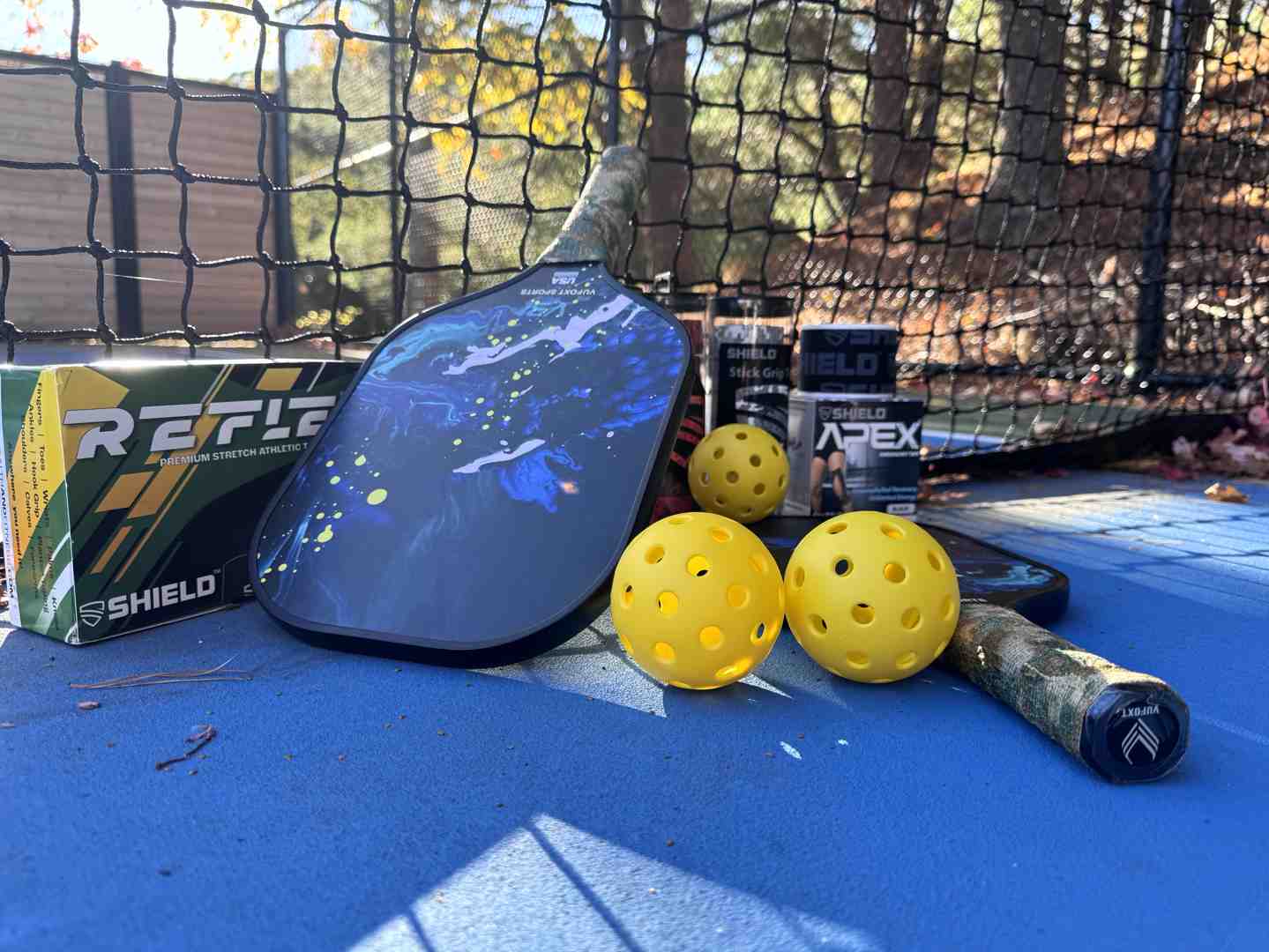
- Elastic Ankle Tape: One of the most common tools for pickleball players with foot discomfort, REFLEX Stretch Tape is a low-profile, soft sports tape that helps provide compression, joint support, while still allowing agility and mobility. REFLEX has no liner like kinesiology tape (meaning less waste and easier application), and is easy to tear - meaning you can even apply courtside.
- Kinesiology Tape: For pain relief and muscle support, APEX Kinesiology Tape can be a game-changer. It's designed to mimic the elasticity of skin and muscles, providing dynamic support without restricting movement. It can be particularly effective for conditions like plantar fasciitis or Achilles tendonitis, helping to lift and support the affected tissues.
- Rigid Athletic Tape: For more robust support, especially after an ankle sprain or to prevent one, rigid athletic tape is ideal. Products like our Shield Signature Athletic Tape provide strong external stabilization, limiting excessive movement and protecting vulnerable ligaments. We always recommend using foam pre-wrap underneath rigid tape for added comfort and to protect your skin.
Learning proper taping techniques can make a significant difference in your comfort and confidence on the court.
When to See a Doctor for Your Foot Pain
While many minor aches and pains can be managed at home, it's crucial to know when to seek professional medical attention. Don't play doctor with your feet! We recommend seeing a foot and ankle orthopaedic surgeon or a podiatrist if you experience:
- Severe pain or swelling: Especially if it prevents you from bearing weight.
- A popping sound at the time of injury: This could indicate a torn ligament or ruptured tendon, such as an Achilles rupture.
- No improvement after a few days of R.I.C.E. or if symptoms worsen.
- Signs of infection: Including increased warmth, redness, pus, or fever.
- Deformity or instability: If the foot or ankle looks abnormal or feels unstable.
Untreated foot and ankle injuries from pickleball can lead to long-term consequences, including chronic pain, instability, arthritis, and a reduced ability to participate in activities you love. Early diagnosis and appropriate treatment are key to a full recovery.
Conclusion: Stay in the Game with Happy Feet
Pickleball is a fantastic sport that brings joy, exercise, and community to millions across the USA. But as we've explored, the unique demands of the game can lead to significant foot pain pickleball if we're not careful. The good news is that most of these pains and injuries are preventable and treatable.
Understanding the causes—from the wrong footwear and improper technique to a lack of conditioning—is the first step. Identifying common injuries like plantar fasciitis, Achilles issues, and ankle sprains allows for quicker recognition and appropriate action.
Our proactive approach emphasizes that prevention is indeed the best medicine. Invest in the right court shoes, moisture-wicking socks, and supportive insoles. Make warm-ups and cool-downs non-negotiable parts of your routine, and build a resilient body through conditioning and cross-training.
When aches and pains do arise, immediate at-home care with the R.I.C.E. method can help. For added support and stability, especially for active recovery or injury prevention, consider incorporating athletic tape into your routine. At SHIELD Health & Fitness, we're proud to offer American-made taping solutions, trusted by athletes, to help you stay in the game.
And finally, always listen to your body. Don't hesitate to seek professional medical attention if symptoms are severe or persistent. Your feet work hard for you on the court; give them the care and support they deserve. With the right strategies, you can keep your feet happy and keep crushing those serves and drops for many games to come!